1. Why Choosing the Right BP Monitor Matters
Regular blood pressure (BP) monitoring can help you understand your health and track changes over time. But the monitor matters. A poorly fitted cuff or inaccurate device can give misleading readings.
The two common types are digital and manual BP monitors. Both can be accurate when the right device is used correctly. The main difference is how the reading is taken.
For most people checking BP at home, a validated upper-arm digital monitor is the easiest and most practical choice.
2. Digital BP Monitors — How They Work
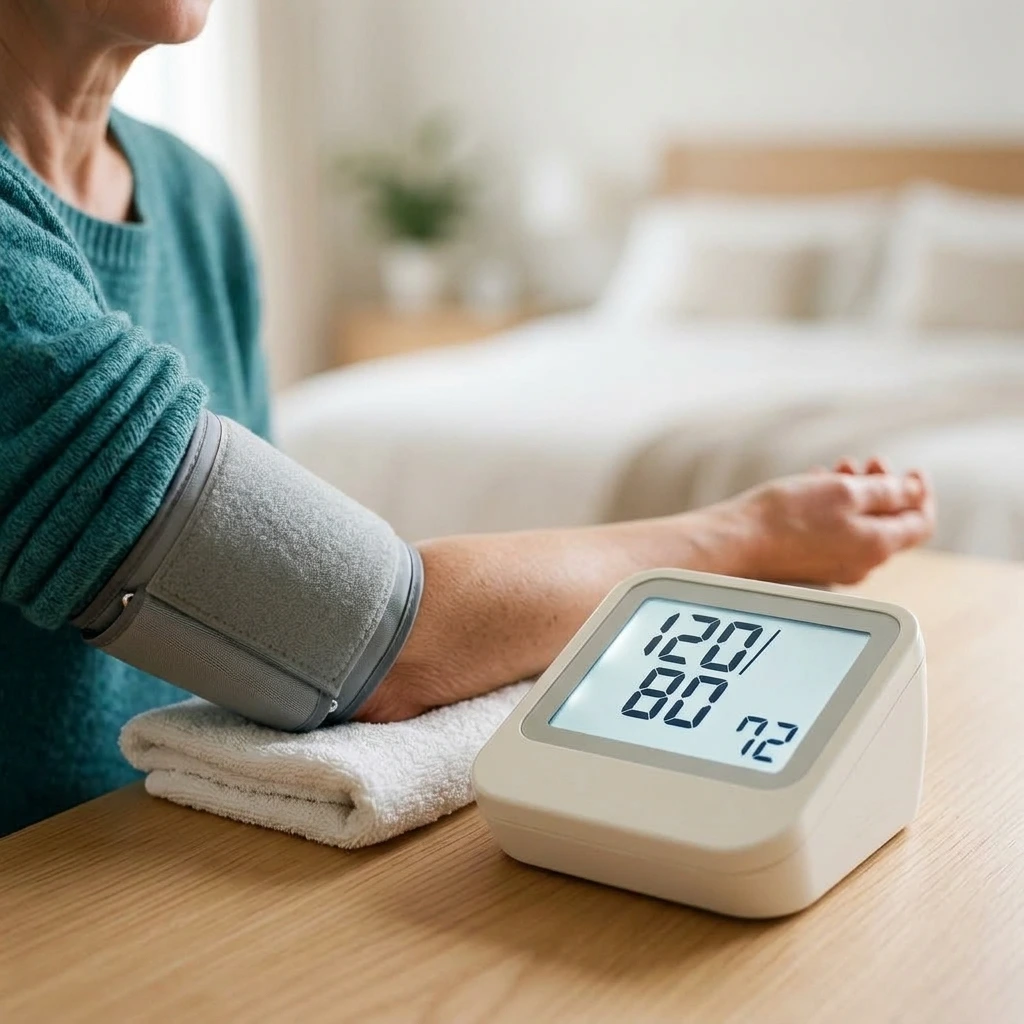
Digital BP monitors use an inflatable cuff, an automatic pump, and a pressure sensor. As the cuff deflates, the device detects pressure changes caused by your heartbeat. Its internal algorithm then estimates systolic and diastolic BP.
You do not need a stethoscope or special listening skills.
Advantages
Easy to use: Most models work with one button.
Good for home monitoring: You can check your BP without assistance.
No stethoscope required: The result appears on the display.
Memory features: Many models store previous readings.
Less observer error: You do not need to listen for heartbeat sounds.
Some models also provide pulse rate, averaging, or irregular heartbeat alerts.
Disadvantages
Readings can be affected by movement, talking, or the wrong cuff size.
They may be less reliable with irregular heart rhythms, such as atrial fibrillation.
Wrist monitors are more sensitive to positioning and are generally less suitable for routine home use than upper-arm monitors.
They require batteries or another power source.
Buy Digital BP Monitor at Best discounted Price Now
3. Manual BP Monitors — How They Work
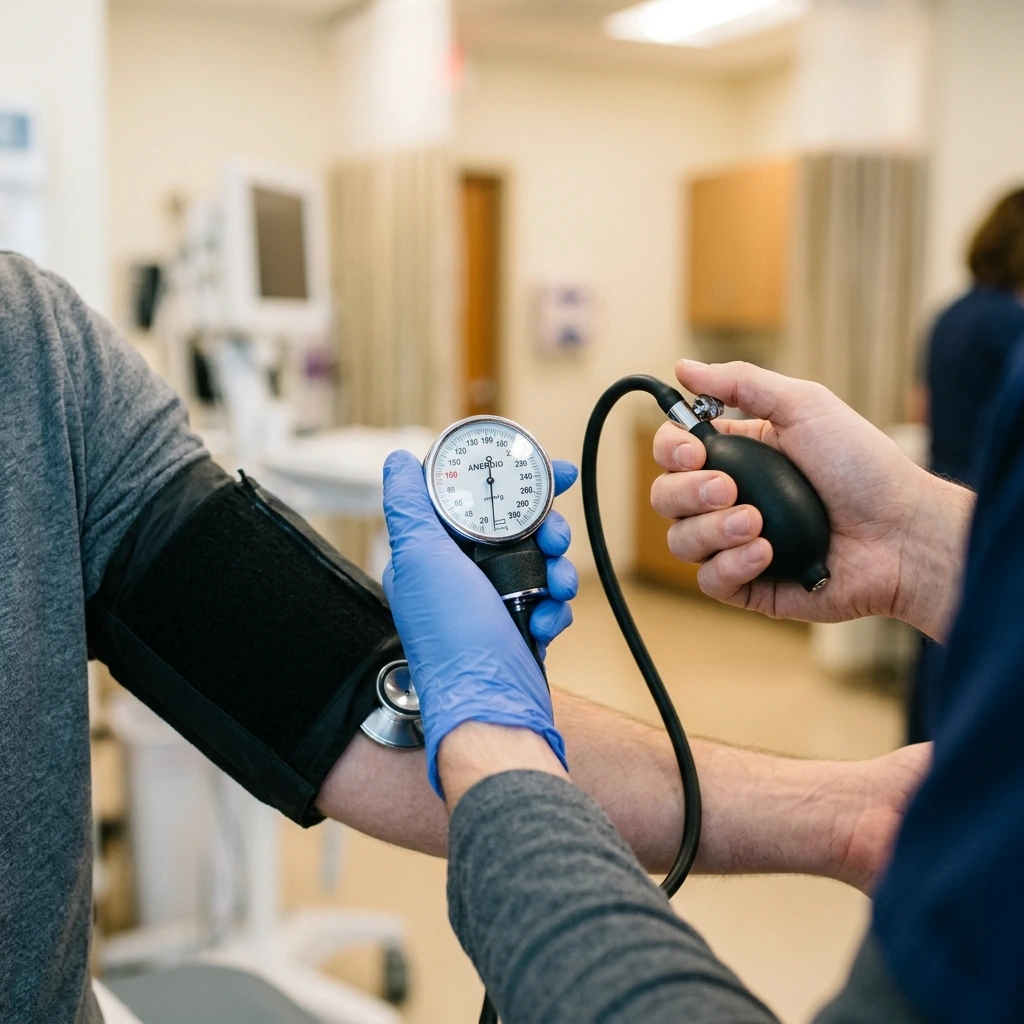
A manual BP monitor, usually an aneroid sphygmomanometer, uses an inflatable cuff and a mechanical pressure gauge. A trained person uses a stethoscope to listen to sounds in the artery while slowly releasing cuff pressure.
The first sound is used to identify systolic BP. The disappearance of the sounds is used to identify diastolic BP.
Advantages
Can be highly accurate when used correctly.
Does not require batteries.
Useful for trained healthcare professionals.
Can be preferred in some situations, including certain irregular heart rhythms.
Disadvantages
Requires training and practice.
Cuff position and deflation speed must be correct.
Results can vary between users because of technique and reading errors.
The gauge needs regular calibration.
It is less convenient for most people to use themselves at home.
Enquire now for Manual Sphygmomanometers
4. Digital vs. Manual: Quick Comparison
| Feature | Digital BP Monitor | Manual BP Monitor |
|---|---|---|
| Ease of use | Easy | Requires training |
| Stethoscope | Not required | Required |
| Best for home use | Yes | Usually not |
| Accuracy | Very good when validated | High when used correctly |
| User-related errors | Lower | Higher |
| Memory | Often available | No |
| Battery/power | Required | Not required |
| Irregular heartbeat | May be unreliable | Useful with trained technique |
| Maintenance | Usually simple | Regular calibration needed |
5. Which One Should You Buy?
For most adults checking BP at home
Choose a validated upper-arm digital monitor. It is simple, quick, and needs minimal training.
For doctors, nurses, and trained healthcare workers
A properly calibrated manual monitor can be an excellent choice when accurate manual measurement skills are available.
For older adults
Look for a digital monitor with a large display, simple controls, and a suitable cuff.
For people with irregular heart rhythms
Manual measurement may be preferred in some situations. Discuss the best option with your healthcare professional.
6. What to Look for Before Buying a BP Monitor
1. Correct Cuff Size
The cuff must fit your upper arm correctly. A cuff that is too small or too large can affect the reading. Measure your arm circumference and check the cuff range.
2. Clinical Validation
Look for a clinically validated model. Validation means the device has been tested against a recognised reference method and shown to meet accuracy requirements. Established resources include STRIDE BP and other recognised validation lists.
3. Accuracy and Reliability
Choose a reputable model with documented accuracy rather than an unknown, very cheap device. Validation is more important than simply choosing the lowest price.
4. Ease of Use
For home monitoring, useful features include:
One-touch operation
Large, easy-to-read numbers
Memory for previous readings
Average of multiple readings
Irregular heartbeat indicator, where appropriate
5. Upper-Arm Design
For routine home monitoring, an upper-arm monitor is generally preferred over wrist or fingertip devices.
6. Proper Measurement
Sit quietly for about 5 minutes before measuring. Keep your back supported, feet on the floor, and arm supported at heart level. Do not talk or move during the reading.
Enquire now Best Branded BP machines
7. Final Verdict
For most people monitoring BP at home, a validated upper-arm digital BP monitor is the practical choice. It is easy to use, reduces user-related measurement errors, and makes regular monitoring more convenient.
A manual monitor can still be an excellent tool when used by someone with the right training and technique.
The key is simple: choose a validated monitor, use the correct cuff size, and follow proper measurement technique.
8. Choose the Right BP Monitor with MedsExpress
Looking for a reliable BP monitor for home use?
At MedsExpress, we can help you choose a suitable BP monitor based on your needs, cuff size, ease of use, and budget.
Need help choosing one? WhatsApp us Now!
END OF BLOG